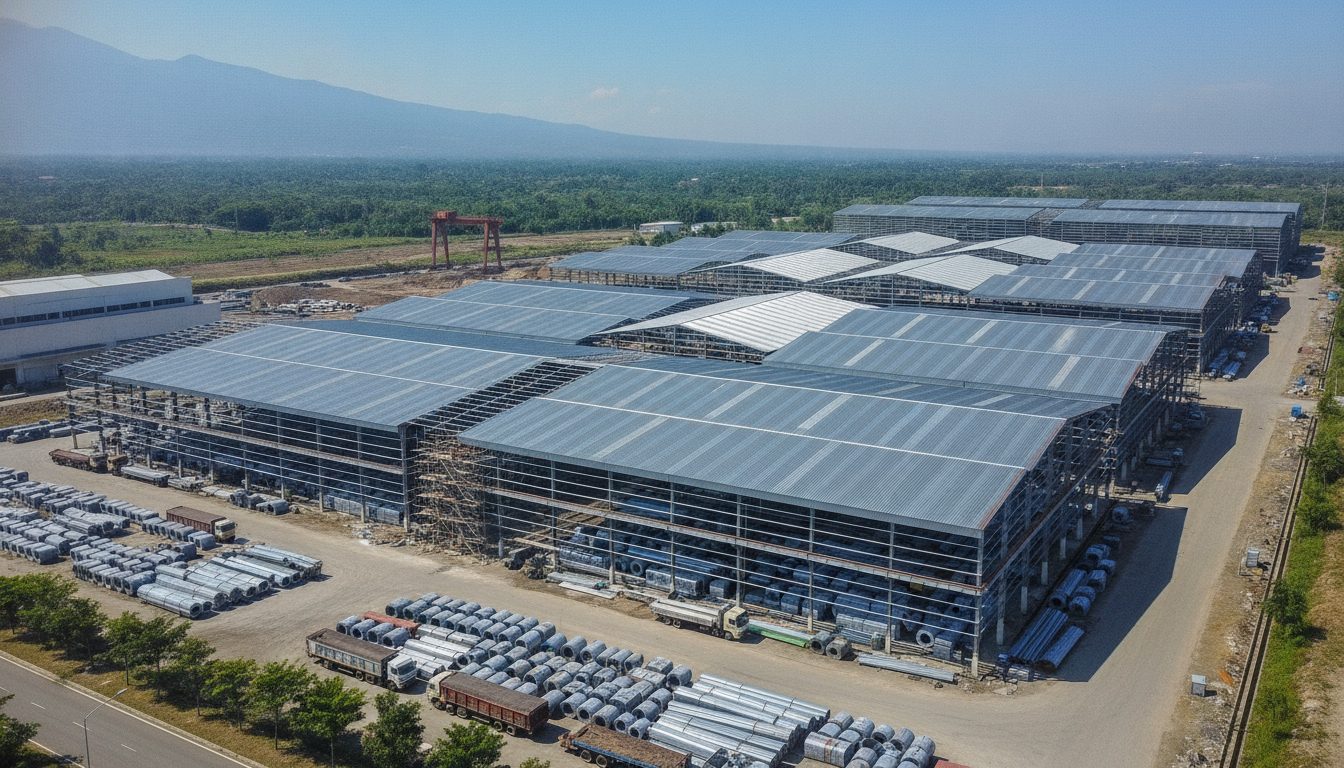
Is It Safer to Use a Lump-Sum or Per-Square-Meter System for Installing Your Warehouse Roof?
Choosing the right payment system for warehouse roof installation is a crucial decision that affects both your budget and your peace of mind. As a specialist lightweight steel roof contractor, PT. Bajaringan Industri Sejahtera frequently receives this question from prospective clients: is it safer to use a lump-sum or per-square-meter system? This article objectively compares both systems, complete with technical data and practical recommendations, to help you determine which option is safest and best suited to your warehouse project.
Understanding the Definitions and Mechanisms of Both Systems
Lump-Sum System
The lump-sum system is a method where the total price is agreed upon upfront for the entire scope of work, covering both materials and installation services, regardless of volume fluctuations on site. In practice, PT. Bajaringan Industri Sejahtera conducts a site survey, calculates volumes based on working drawings, and sets a final contract value. As long as the scope of work remains unchanged, the price will not change.
Per-Square-Meter System (Unit Price)
The per-square-meter system sets a unit price per square meter (m²) for roof installation work. The final total cost is only known after the work is completed, based on the actual installed volume. This system is commonly used for renovation projects or work with still-dynamic designs.
Pros and Cons of the Lump-Sum System
Pros:
- Budget certainty from the start — no unexpected costs as long as the scope remains unchanged.
- Simpler administration — one contract, one value, simplifying cash flow planning.
- Material price fluctuation risk is borne by the service provider, including increases in lightweight steel, metal roofing, or insulation prices.
Cons:
- Less flexible if design changes occur mid-project; changes usually require a contract addendum.
- Potential unexpected work (e.g., existing structural repairs) not covered in the initial contract.
Pros and Cons of the Per-Square-Meter System
Pros:
- Fairer payment — you only pay for the volume of work actually performed.
- Highly flexible for design changes or roof area additions.
- More detailed calculation transparency — each component (trusses, purlins, battens, roof covering) can be calculated separately.
Cons:
- Final total cost may exceed the initial estimate if the work volume increases.
- Requires stricter volume supervision from the owner or supervising consultant.
Factors Influencing the Safety of System Selection
1. Clarity of Design and Working Drawings
If the design is final and will not change, the lump-sum system is safer. Conversely, if changes are still possible, the per-meter system is safer.
2. Site Conditions
For warehouses with complex roof shapes (e.g., curved roofs, multi-gable, or skylights) or non-standard existing structural conditions, the per-meter system is safer because work volume can be calculated more accurately during installation.
3. Project Scale and Duration
Large projects with long durations (over 3 months) are safer using the lump-sum system to avoid significant material price fluctuations. Small projects or renovations are safer using the per-meter system.
4. Technical Data to Consider
In lightweight steel roof calculations, several technical parameters must be observed, including:
- Standard truss spacing of 1.0–1.2 m (depending on wind load and span).
- Minimum steel thickness of 0.75 mm (SNI) for main warehouse structures.
- Minimum roof slope of 10° for metal covering, and 5° for some standing seam types.
- Wind load per SNI 1727 (e.g., 25–40 kg/m² for non-coastal areas).
Inaccuracies in reading these parameters can cause work volume to differ significantly between estimate and actual — which is why the per-meter system is often fairer for non-standard site conditions.
Recommendations and Hybrid Approach from PT. Bajaringan Industri Sejahtera
General Recommendations:
- The lump-sum system is safer for projects with a definite scope of work and a tight budget.
- The per-meter system is safer for projects prioritizing flexibility and fair payment based on actual results.
Hybrid Solution: PT. Bajaringan Industri Sejahtera offers a combined approach:
- Lump-sum pricing for main work (truss structure and roof covering).
- Unit price per meter for additional work such as gutters, flashing, fascia, or insulation.
This approach provides budget certainty while offering flexibility for components whose volumes are difficult to predict upfront.
Conclusion
No system is absolutely safer without considering the specific conditions of your warehouse project. The lump-sum system provides budget certainty, while the per-meter system provides fairness and flexibility. Consult your plans and working drawings with the expert team at PT. Bajaringan Industri Sejahtera to get the safest and most advantageous system recommendation for your project.
References
- PT. Bajaringan Industri Sejahtera. (2025). Payment System Guide for Lightweight Steel Roof Installation Services. (Company internal document).
- Indonesian National Standards (SNI) related to Lightweight Steel Construction and Work Volume Calculation.
- SNI 1727 on Minimum Design Loads for Buildings.
- Articles or case studies on warehouse construction project management from trusted sources.
Dapatkan Update
Artikel terbaru, insight harga material, dan studi kasus proyek langsung ke WhatsApp Anda.
Artikel Terkait
Lihat Lainnya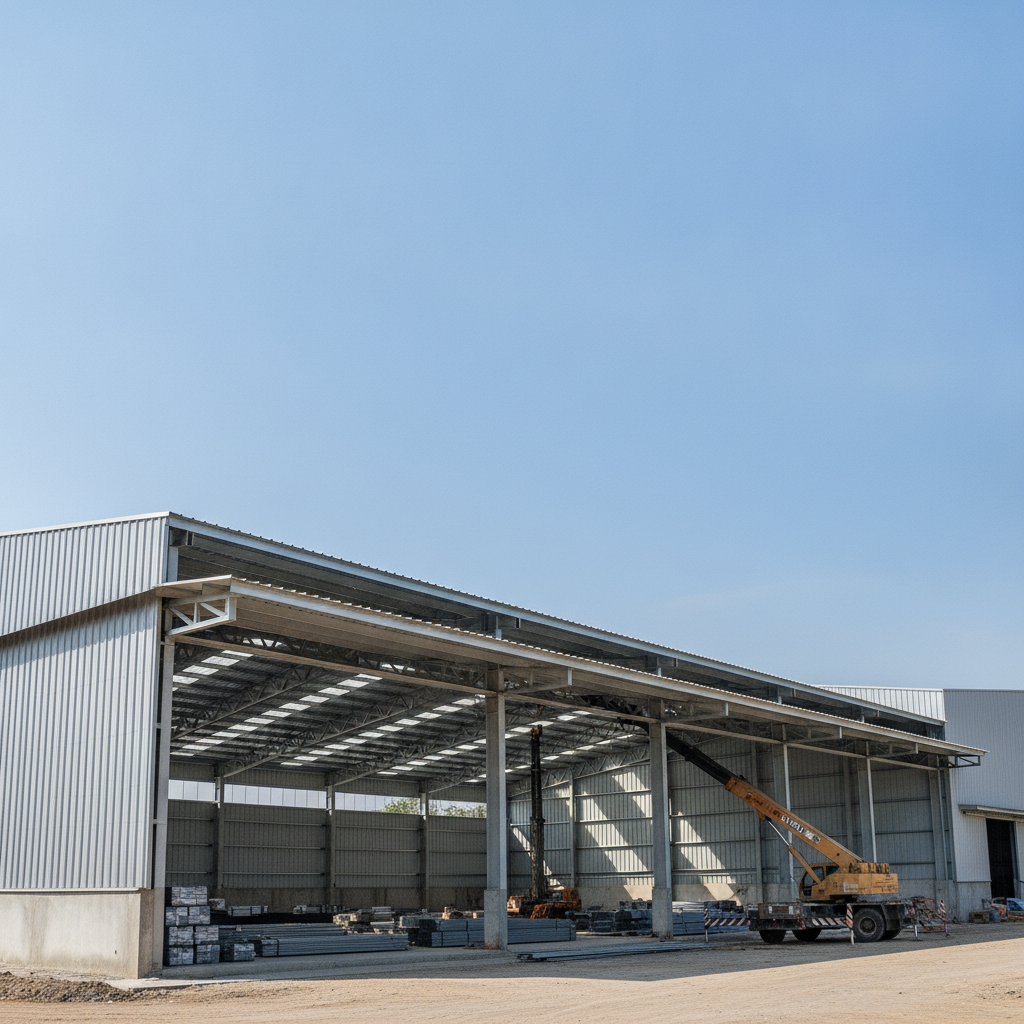
What Is the Total Cost of Warehouse Roof Installation per Square Meter This Year? Including Frame and Labor
What Is the Total Cost of Warehouse Roof Installation per Square Meter This Year? Including Frame and Labor Introductio…
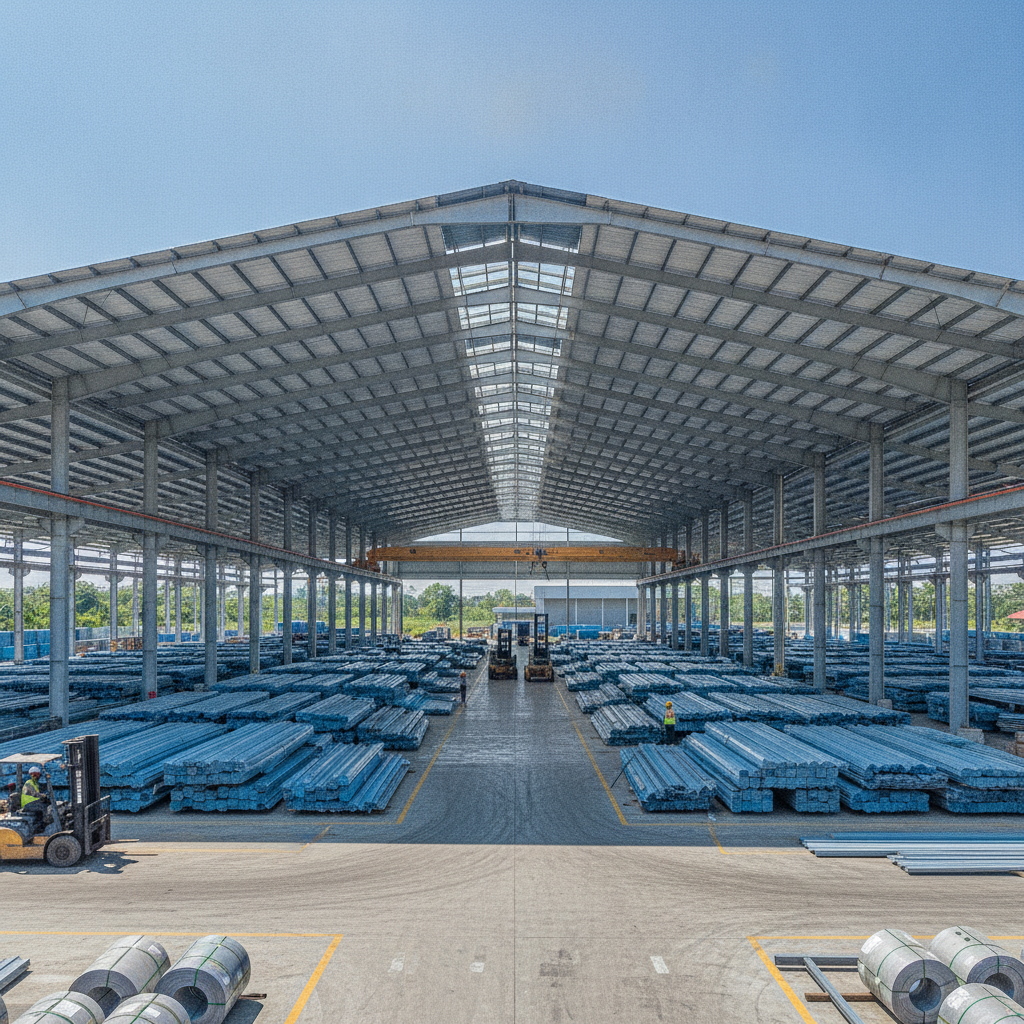
Time Estimation for Renovating a 2,000 m² Warehouse Roof Using the Phasing Method: A Complete Guide from PT. Bajaringan Industri Sejahtera
Time Estimation for Renovating a 2,000 m² Warehouse Roof Using the Phasing Method Introduction Renovating a 2,000 m² wa…
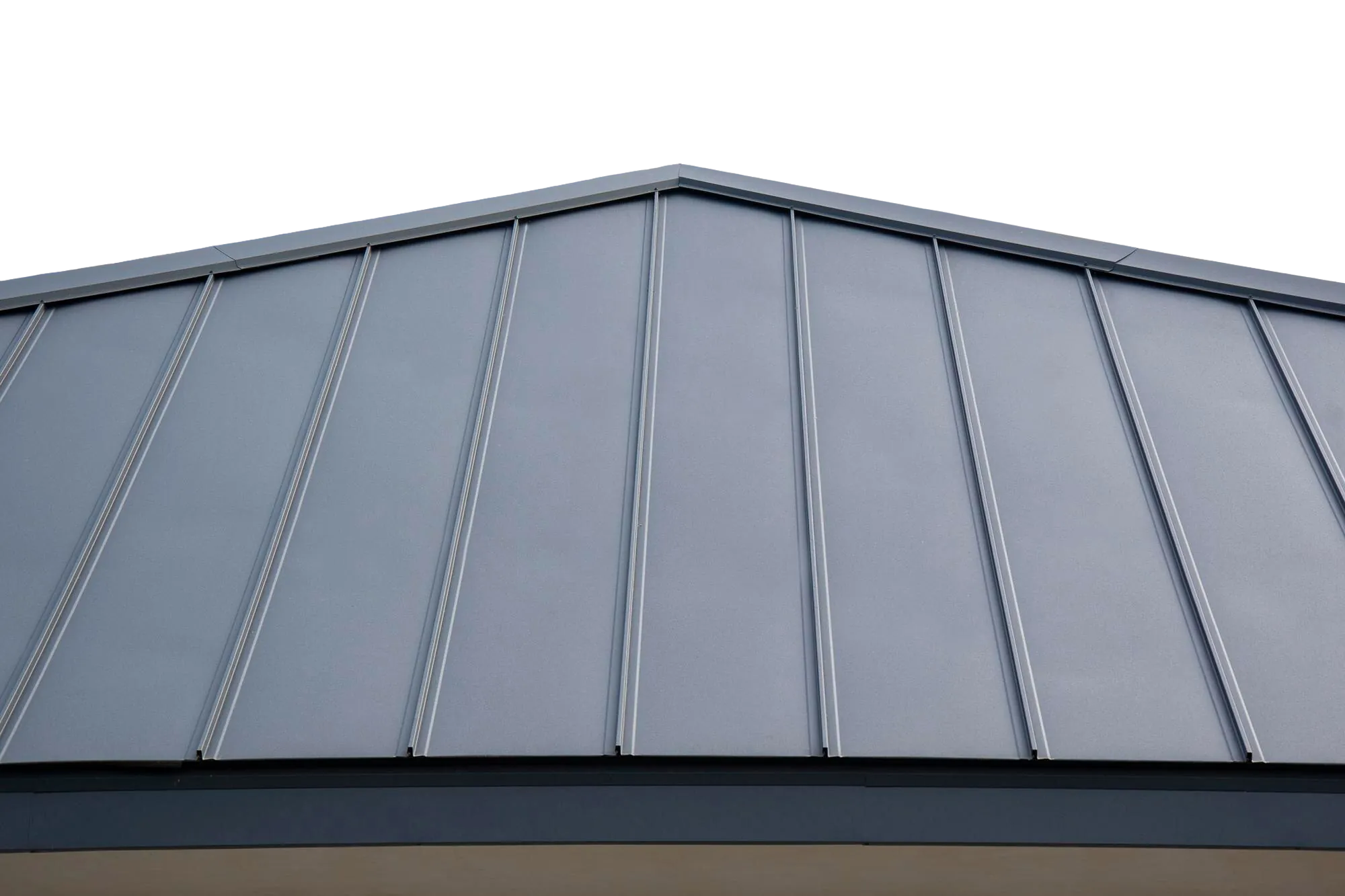
2026 Spandek Roofing Installation Price per Meter for Factories and Warehouses: A Complete Guide to Pricing Factors, Spandek Profile Comparison, and Tips for Choosing a Contractor
Introduction Entering 2026, the demand for factory and warehouse construction continues to increase along with the growt…
NEED A COST ESTIMATE FOR YOUR PROJECT?
Our surveyors come to the location for free written offers within 24 hours.