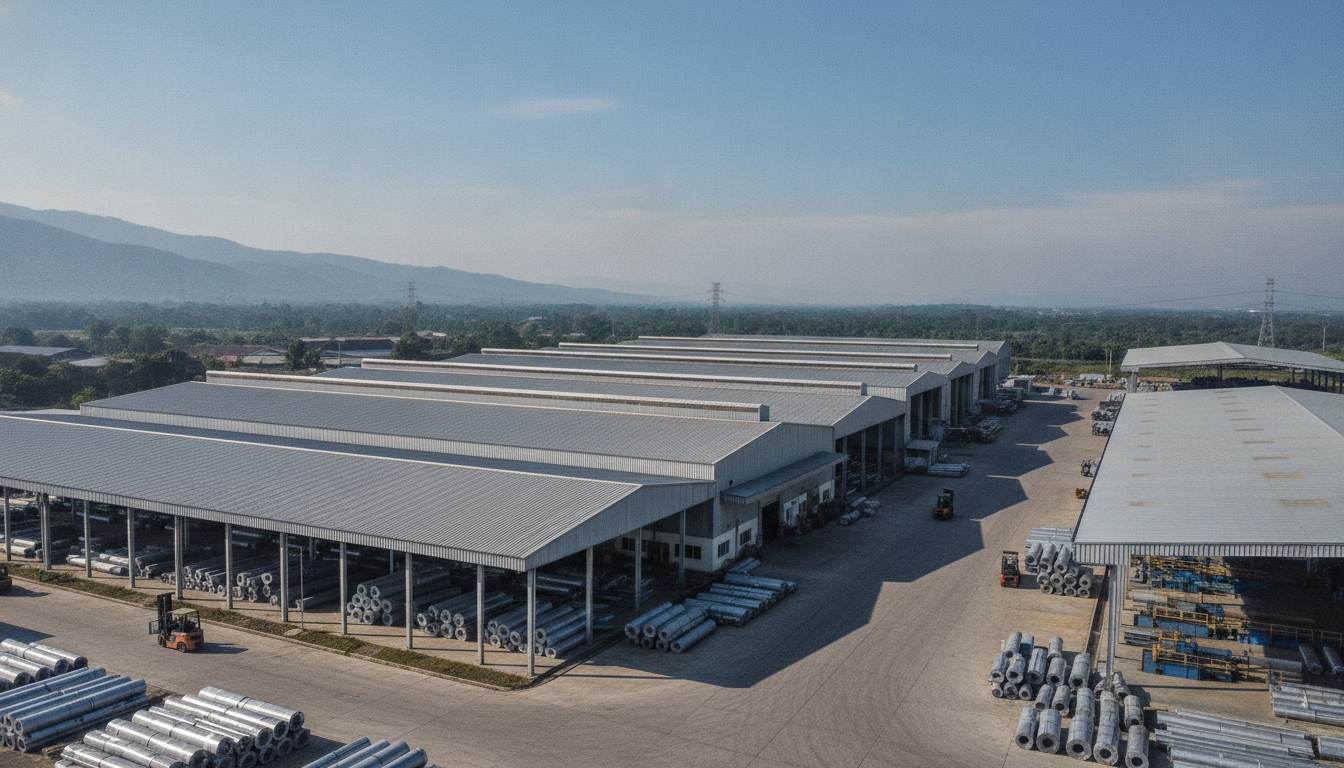
Which Is Safer: Lump Sum or Per-Square-Meter Pricing for Installing My Warehouse Roof?
Introduction
Choosing the payment system for warehouse roof installation—between lump sum and per-square-meter pricing—is often a crucial consideration for business owners building or renovating a warehouse. This decision is not merely about numbers on paper; it concerns budget certainty, work transparency, and the level of risk borne by the project owner. Both systems have distinct characteristics, advantages, and risks that must be understood objectively before deciding. As a specialist in light steel roof frames and roofing, PT. Bajaringan Industri Sejahtera has supported numerous warehouse projects—from small spans to wide spans exceeding 30 meters—and understands that no single system fits every condition. This article outlines an objective comparison so you can choose the safest system that matches your warehouse roof project.
1. Understanding the Definitions and Mechanisms
A lump sum system is one where the price is agreed upfront for the entire scope of work, covering materials, labor, and installation services. The service provider bears the risk of execution efficiency, including material price fluctuations during the contract period. Per-square-meter pricing, conversely, calculates cost based on the roof area actually worked on (per m²) with a fixed unit price covering materials and installation labor. The fundamental difference lies in total cost certainty versus work volume flexibility. In practice, per-meter pricing is often used for phased projects or designs still open to adjustment, while lump sum is preferred when the scope is final.
2. Advantages and Disadvantages of the Lump Sum System
Advantages: budget certainty from the start with no surprise costs; simpler and faster administration; and the risk of cost overruns due to material price increases is borne by the service provider. Disadvantages: less flexibility when design changes or additional work occur; potential reduction in material specifications if the contract lacks detail; and the need for strict due diligence on the contractor's reputation and track record. Therefore, lump sum is only safe when the contract documents specify technical details in full—for example, C75.75 or C100.75 light steel profiles, material thickness of 0.75–1.00 mm, coating type (Galvalume AZ100 or Zincalume), and accessories such as gutters, flashing, and standard self-drilling screws.
3. Advantages and Disadvantages of Per-Square-Meter Pricing
Advantages: cost transparency based on actual work volume; flexibility for design changes or area additions; and easier technical auditing and verification. Disadvantages: the final total may swell if work volume increases; careful measurement supervision is required to avoid discrepancies; and there is a risk of differing interpretations of area (sloped roof area vs. flat projection) if not clearly stated in the contract. For warehouse roofs with a standard slope of 10–15 degrees, the difference between sloped area and flat projection can reach 1.5–3.5%, so the measurement method must be agreed upfront.
4. Factors Determining the Choice of System
- Project scale and complexity: warehouses with standard designs and fixed areas suit lump sum; custom or phased designs suit per-meter pricing.
- Budget certainty: if the budget is tight and fixed, lump sum is safer; if flexible, per-meter pricing offers room for adjustment.
- Available supervision level: owners with technical supervisory teams can maximize per-meter pricing.
- Material market conditions: when material prices fluctuate, lump sum provides cost protection.
- Service provider reputation and legality: ensure the contract states material specifications, volume, and variation clauses.
As a technical illustration, a warehouse roof with a 24-meter span and 60-meter length has a projected area of 1,440 m² and a sloped area of approximately 1,470–1,490 m² depending on slope. This difference must be locked into the per-meter contract to prevent disputes at project completion.
5. Safety and Legal Protection Aspects in Contracts
Regardless of the system, project safety is determined by contract quality. The contract must include detailed technical material specifications (light steel type, thickness, coating, accessories); a variation order clause; work duration, installation warranty, and dispute resolution mechanisms; an agreed measurement method for per-meter pricing; and assurance that the provider has business legality and certification, including compliance with SNI 8399:2020 on light steel specifications for building roof frames and Law No. 2 of 2017 on Construction Services.
6. Practical Recommendations from PT. Bajaringan Industri Sejahtera
We recommend conducting a joint survey and measurement before deciding on a system; requesting written quotations in both schemes (lump sum and per meter) for objective comparison; prioritizing a detailed written contract regardless of the chosen system; and consulting your warehouse's specific needs—wide spans, wind loads according to location, insulation requirements, and drainage systems—with our technical team. With experience handling warehouse projects across diverse terrain and weather conditions, our team can prepare realistic and transparent estimates.
Conclusion
No system is absolutely safer without considering your project conditions—lump sum excels in budget certainty, while per-meter pricing excels in transparency and flexibility. The key to safety lies in a detailed contract, clear material specifications, and a credible service provider. PT. Bajaringan Industri Sejahtera is ready to help you compare both schemes transparently so that your decision truly benefits and protects your warehouse investment.
References
- Indonesian National Standard (SNI) 8399:2020 on Light Steel Specifications for Building Roof Frames.
- Ministry of Public Works and Housing Regulations on Construction Contract Standards.
- Law No. 2 of 2017 on Construction Services.
- Practical Guide to Lump Sum and Unit Price Contracts in Construction Projects (construction industry literature).
- Internal materials and project experience of PT. Bajaringan Industri Sejahtera (company documentation).
Dapatkan Update
Artikel terbaru, insight harga material, dan studi kasus proyek langsung ke WhatsApp Anda.
Artikel Terkait
Lihat Lainnya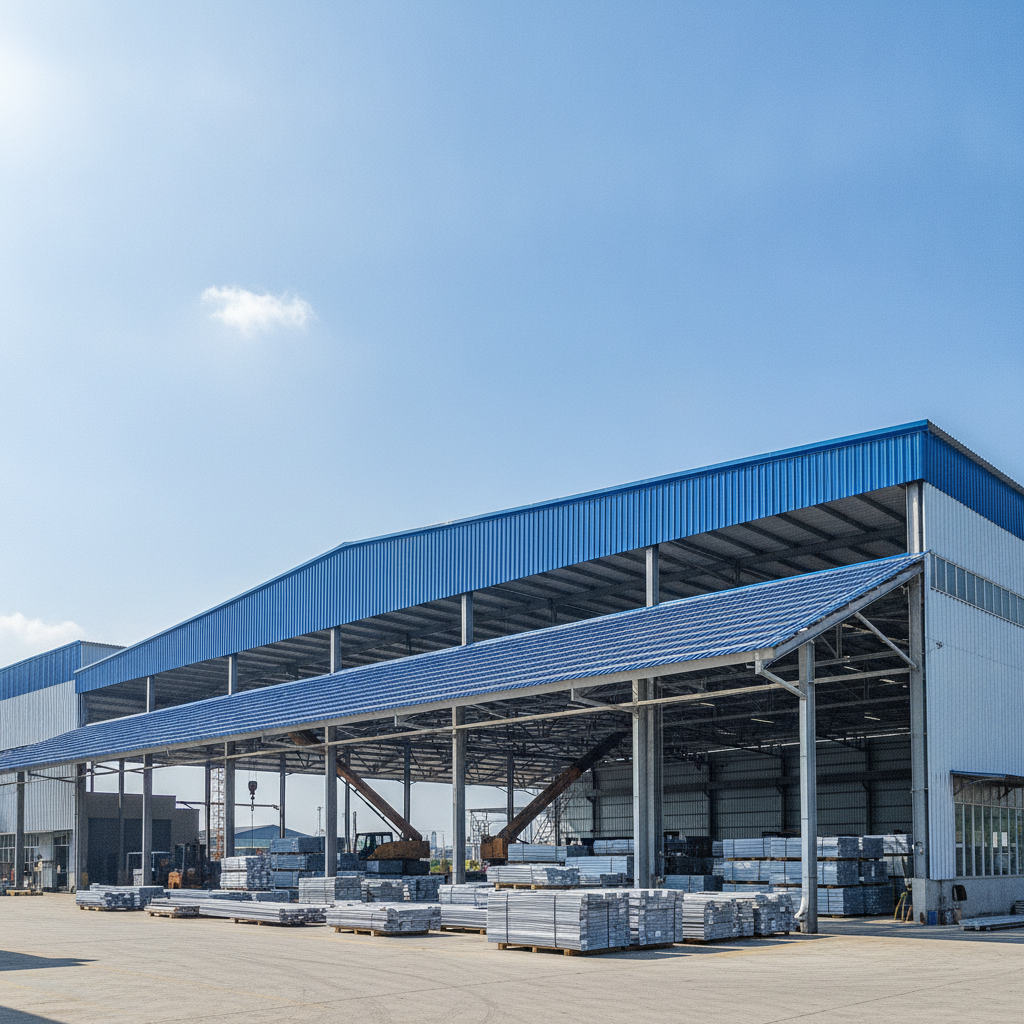
Is It Safer to Use a Lump-Sum or Per-Square-Meter System for Installing Your Warehouse Roof?
Is It Safer to Use a Lump-Sum or Per-Square-Meter System for Installing Your Warehouse Roof? Choosing the right payment …
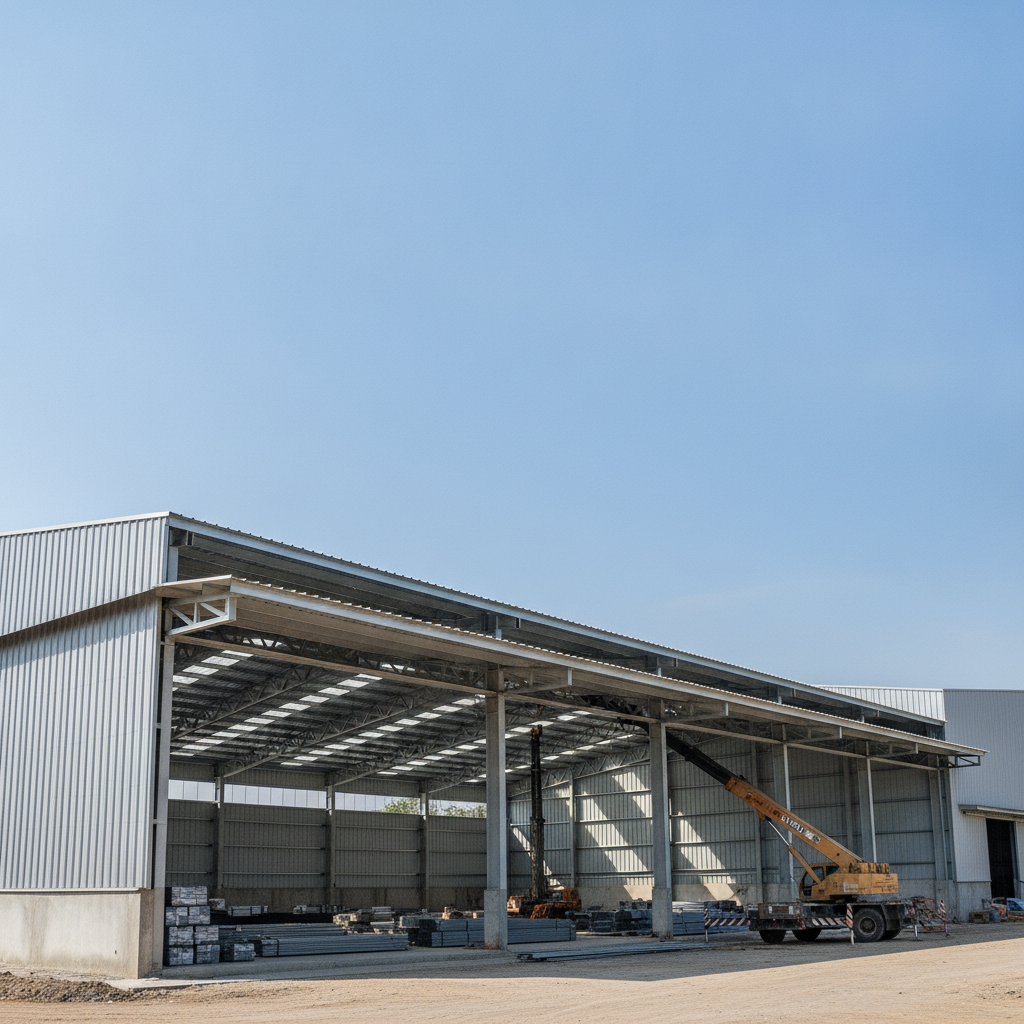
What Is the Total Cost of Warehouse Roof Installation per Square Meter This Year? Including Frame and Labor
What Is the Total Cost of Warehouse Roof Installation per Square Meter This Year? Including Frame and Labor Introductio…
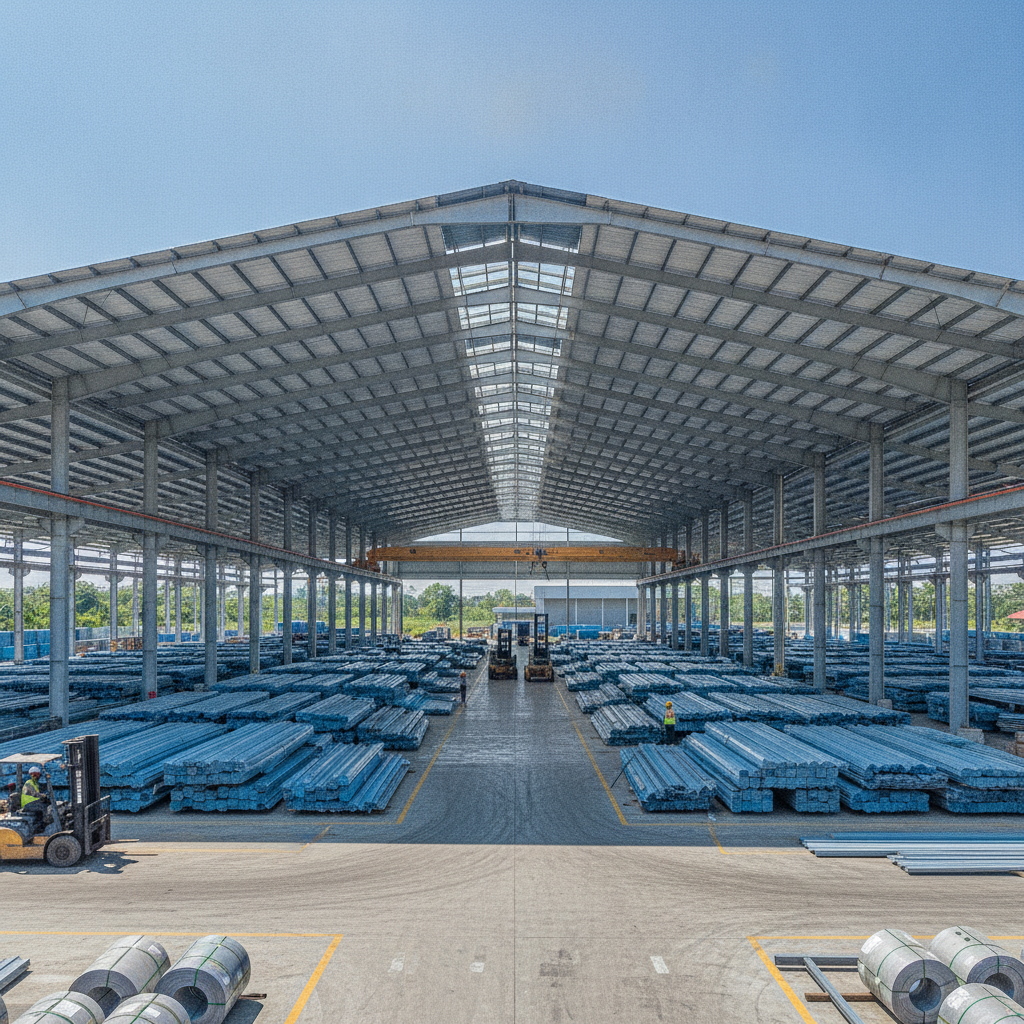
Time Estimation for Renovating a 2,000 m² Warehouse Roof Using the Phasing Method: A Complete Guide from PT. Bajaringan Industri Sejahtera
Time Estimation for Renovating a 2,000 m² Warehouse Roof Using the Phasing Method Introduction Renovating a 2,000 m² wa…
NEED A COST ESTIMATE FOR YOUR PROJECT?
Our surveyors come to the location for free written offers within 24 hours.